What we do and how we do it.
We drive regenerative and bioeconomic systems by integrating data, science and local context. This is our offering and the methodologies that support it.
Services
Deep territorial understanding, action with accountability
We support land use planning, regional bioeconomy and climate adaptation with data analysis that translates complexity into concrete decisions for technical and policy teams.
How can I make decisions about territory when the data is incomplete or contradictory?
Portfolio measurement and direction
We design measurement frameworks, deliver impact analysis and action pathways for funds operating in Latin American supply chains, bioeconomy and decarbonization, among others.
How do I know if my interventions are working?
Analysis and reporting for complex interventions
We build measurement methodologies for multi-stakeholder initiatives, from design through results reporting.
How do I generate comparable analysis across initiatives operating in very different contexts?
Data science for real commitments
We support emissions measurement processes, climate risk analysis and reduction action design with verifiable methodological rigor.
How do I verify that my climate commitments are methodologically sound and auditable?
Methodologies — Economy and value

Bioeconomy
Designs pathways for the development of nature-based productive economic activities, integrating ecological data, market opportunities and community dynamics into territorial planning and investments.
Environmental valuation
Applies economic methodologies to assign monetary or comparative value to ecosystem services, supporting private investment evaluation and the incorporation of natural capital into planning and public policy.

Life cycle analysis (LCA)
Evaluates the environmental impacts of a product, service or process throughout its entire value chain, from raw material extraction to end of life, to identify improvement points and support sustainability decisions.
Methodologies — Risk and climate

Risk analysis
Identifies, quantifies and prioritizes ecological risks such as land degradation, biodiversity loss or climate vulnerability, to guide mitigation strategies and inform third-party compliance processes.

Climate resilience
Connects environmental, productive and territorial data with concrete adaptation actions in the field, led by local actors. Integrates early warnings, risk maps and actionable guidelines for communities, sectors and organizations.

GhG Protocol
Measures and manages greenhouse gas emissions following GhG Protocol standards, from initial inventory to the design of reduction pathways for organizations with verifiable climate commitments.
Methodologies — Territory and ecosystems

PSA Aptitude
Evaluates territorial use capacities that enable conservation or restoration of specific land and structures incentive financing mechanisms for Payments for Environmental Services schemes.

Water bodies
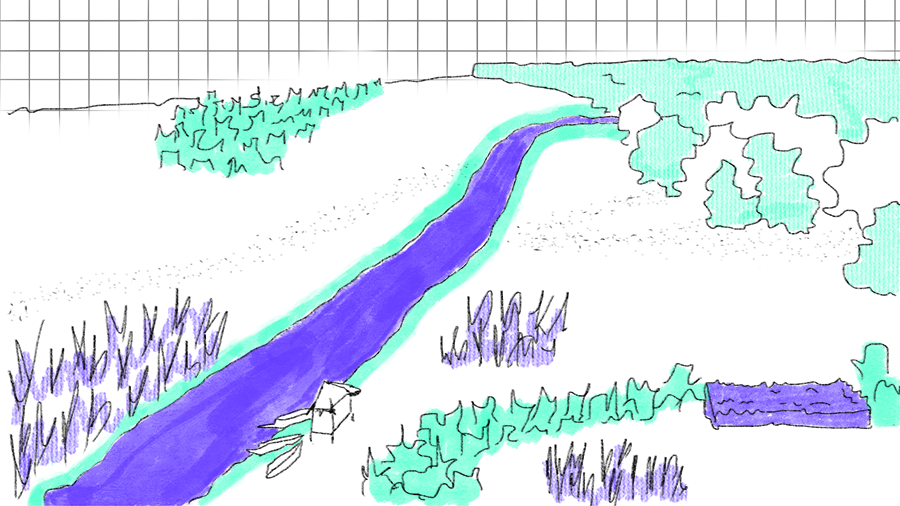
Evaluates the ecological, hydrological and socioeconomic conditions of rivers, wetlands and aquatic systems to identify restoration opportunities, mitigate risks and support sustainable water resource management.

Bioregionalism
Uses a qualitative and territorial approach to co-create strategies with local communities, aligning territorial planning and livelihoods with the ecological dynamics and cultural identity of each place.

Soils
Uses geographic layers and spatial analysis to identify territorial characteristics, assess degradation levels and recovery opportunities, considering land cover, soil quality and carbon sequestration potential.
Curious how any of these would work for your context? Tell us what you're dealing with.
Talk to TierraLabs →